Catholic Virtues
 |
 |
 |
 |
 |
 |
 |
Gravitas, a Virtue - I
Seriousness in the Quest for Meaning
Perhaps my favorite topic of those discussed by Prof. Plinio Corrêa de Oliveira is that of gravity. He describes gravity as the state of “being serious, being a person who reflects the habit of contemplating elevated things, … who is happy to think of elevated things and do things of great responsibility.”
 Greatly opposed to this virtue is foolishness. Now, it is natural for us to find certain things funny, and it is appropriate at times – even called for in some – to make jokes. The danger is in developing a habitual jocularity that dominates in one’s life.
There are many theories on what makes things funny – disparate theories – but suffice it to say, they generally agree on one thing: What is funny is funny because it is unexpected. It stands in defiance of what ought to be.
Therein lies the danger. To develop a habitual jocularity, to always be trying to "find the humor in the situation," produces a distorted vision of reality. It places the joker in consonance with disorder. He respects nothing because the world has become superficial, a daily comedy stage, lacking a beautiful greater meaning. His humor veils his eyes like cataracts. Only crude forms of things are seen, not what they truly are.
A habitual gravity
But what would life be like for one with a habitual gravity? I turn to another beautiful talk of Prof. Plinio. Speaking of hermits, each of whom would have a true gravitas if he is faithful to his vocation, the Professor notes that the hermit practices the virtue of respect “above all others.” In his perspective “nothing is small, without importance, or trivial. He understands the highest reasons for which each thing was created and its sacred, august character.”
 I think the point that for the hermit “nothing is small” is of immense importance. It is easy for one to live a shallow, comedic life when nothing is seen as significant enough to be above a joking remark. When nothing is respected, everything is small.
But for the hermit, every created thing has meaning. It is impossible for something to not have meaning, in that for something to exist, it participates in qualities of God. The way these qualities inhere in the creature, the degree to which the creature is true or less true to them, the interplay of these qualities in the matrix that is the creature, create meaning. They tell us something. It is philosophically untenable that something could not have meaning. It can only be hard to read. (1)
The significance of a thing need not necessarily be describable, as in “the wing of this bird symbolizes this or that virtue.” It may simply impart a feeling or ambience which is morally instructive. These indescribables have their own importance.
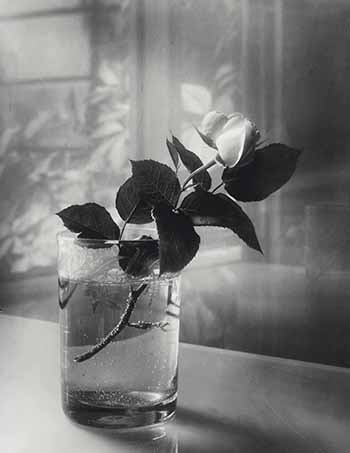 Consider the work of a still-life painter, or that of a photographer. They perceive what is beautiful and symbolic in a particular thing, as well as what is beautiful and symbolic in the juxtaposition of things. Each thing considered individually has its own meaning, but the interplay of these things has a meaning as well.
The calling of the artist is to communicate transcendent truths, using the things of Creation as a kind of word or sentence in the “essay” that is a work of art. This would not be possible if mystery did not exist, or if the artist were blind to it. Mystery implies something beyond itself, and this aids in metaphor, analogy and ascent to God. If nothing had mystery, if everything were superficial with no deeper meaning, there would be no art.
So, the quest for meaning should not always expect exact descriptions.
Full explanations should not be pathologically sought, and all unknowing destroyed, as if the universe were a science lab.
Do you not see how egalitarian that is? It is another flattening. Everything must be coldly delineated in the same scientific, measurable way, in which nothing but material data matters. Many scientists, animated by the rationalist spirit, hate the idea of a non-material meaning, that something can be beyond their science. And yet, the higher something is, the more ineffable it tends to be, the more mysterious. At the very top, God is completely, truly ineffable. The universe requires mystery to achieve its perfection.
*
For one to live with a habitual gravity, then, he would respect the importance of all things, even the smallest things. In these “things” I would take care to include every situation we find ourselves in. Yes, they are important; they after all will be reviewed at the Final Judgment.
 How many situations do we pass through, incognizant of how our actions might affect ourselves or others? In a mere minute, one might finish a prayer which is the final act necessary to unleash the torrents of sanctifying grace upon another. After Count Laferronay said 20 Memorares for the conversion of a young Jew, the Count suffered a heart attack, received the last Sacraments and died. Shortly afterward that Jew converted: the great Alphonse Ratisbonne.
How much can happen in so short a time! But also in a mere second, in the committing of one mortal sin, one might also alight from God’s graces and slowly become the worst of sinners…
If a man does not respect the importance of every moment, he is not truly grave. And if one has a deficient respect for one aspect of Creation, then he has a deficient respect for all of it: just as to deny one aspect of the Faith is to deny the whole of it. As Fr. Manoel Bernardes notes: “If we stab [our eyes] anywhere, even if just with the tip of a needle, all the light goes out and we remain in darkness.” It is clear: Gravity and respect must be all-encompassing.
The secret of the medievals
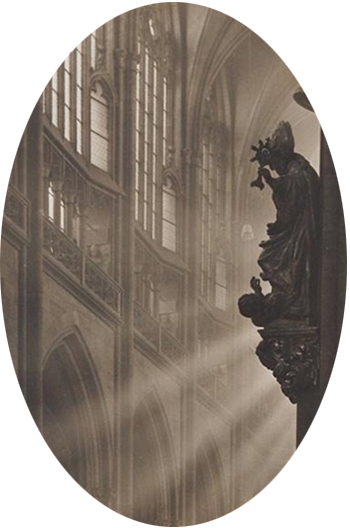 I think one of the greatest secrets behind the grandeur of the Middle Ages is that the medievals were serious, grave, with a proper respect for everything. But, more than that, their gravity had its particular flavor: It was imbued, as Prof. Plinio notes, with a “very intense love for Our Lord Jesus Christ and a profound comprehension of Him.”
This had incredible consequences. If medieval man had a profound comprehension of Christ, it only follows that all their works would be excellent, because “we assimilate what we admire.” What did they assimilate? As St. Bonaventure lined out in his Reduction, Our Lord is the “Model or Exemplar of all created things…” (2)
The medieval conception of Him, the perfect Model of everything, informed the Gothic order of their cathedrals, the harmonic order of their society; in short, all that was beautiful that they created. And what is Beauty itself but Our Lord, for “an object is beautiful to the degree that it approximates its original archetype. … The supreme beauty is to be found in the Son because the Son is equal with the Father.” (3)
You see, then, how important gravity is. It made the Middle Ages. Without gravity, without a respect for things and their Creator, nothing great can be built.
Continued

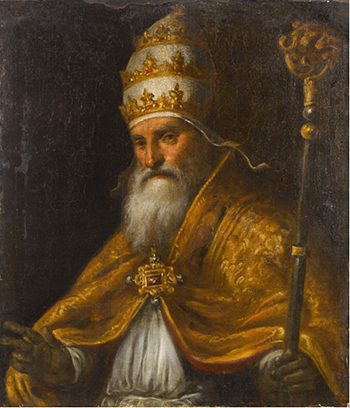
Pope Pius V, a spirit of profound gravitas
There are many theories on what makes things funny – disparate theories – but suffice it to say, they generally agree on one thing: What is funny is funny because it is unexpected. It stands in defiance of what ought to be.
Therein lies the danger. To develop a habitual jocularity, to always be trying to "find the humor in the situation," produces a distorted vision of reality. It places the joker in consonance with disorder. He respects nothing because the world has become superficial, a daily comedy stage, lacking a beautiful greater meaning. His humor veils his eyes like cataracts. Only crude forms of things are seen, not what they truly are.
A habitual gravity
But what would life be like for one with a habitual gravity? I turn to another beautiful talk of Prof. Plinio. Speaking of hermits, each of whom would have a true gravitas if he is faithful to his vocation, the Professor notes that the hermit practices the virtue of respect “above all others.” In his perspective “nothing is small, without importance, or trivial. He understands the highest reasons for which each thing was created and its sacred, august character.”
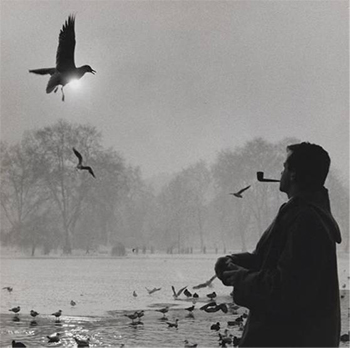
Calmly seeking the meaning in every living thing
(photo by Wolfgang Suschitzky)
But for the hermit, every created thing has meaning. It is impossible for something to not have meaning, in that for something to exist, it participates in qualities of God. The way these qualities inhere in the creature, the degree to which the creature is true or less true to them, the interplay of these qualities in the matrix that is the creature, create meaning. They tell us something. It is philosophically untenable that something could not have meaning. It can only be hard to read. (1)
The significance of a thing need not necessarily be describable, as in “the wing of this bird symbolizes this or that virtue.” It may simply impart a feeling or ambience which is morally instructive. These indescribables have their own importance.
The artist tries to communicate more than mere data (photo by Josef Sudek)
The calling of the artist is to communicate transcendent truths, using the things of Creation as a kind of word or sentence in the “essay” that is a work of art. This would not be possible if mystery did not exist, or if the artist were blind to it. Mystery implies something beyond itself, and this aids in metaphor, analogy and ascent to God. If nothing had mystery, if everything were superficial with no deeper meaning, there would be no art.
So, the quest for meaning should not always expect exact descriptions.
Full explanations should not be pathologically sought, and all unknowing destroyed, as if the universe were a science lab.
Do you not see how egalitarian that is? It is another flattening. Everything must be coldly delineated in the same scientific, measurable way, in which nothing but material data matters. Many scientists, animated by the rationalist spirit, hate the idea of a non-material meaning, that something can be beyond their science. And yet, the higher something is, the more ineffable it tends to be, the more mysterious. At the very top, God is completely, truly ineffable. The universe requires mystery to achieve its perfection.
For one to live with a habitual gravity, then, he would respect the importance of all things, even the smallest things. In these “things” I would take care to include every situation we find ourselves in. Yes, they are important; they after all will be reviewed at the Final Judgment.
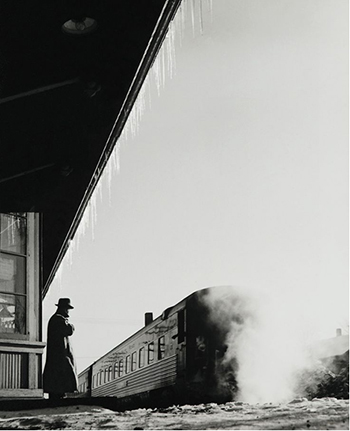
A serious man finds meaning in every moment of life (photo by Sam Abell)
How much can happen in so short a time! But also in a mere second, in the committing of one mortal sin, one might also alight from God’s graces and slowly become the worst of sinners…
If a man does not respect the importance of every moment, he is not truly grave. And if one has a deficient respect for one aspect of Creation, then he has a deficient respect for all of it: just as to deny one aspect of the Faith is to deny the whole of it. As Fr. Manoel Bernardes notes: “If we stab [our eyes] anywhere, even if just with the tip of a needle, all the light goes out and we remain in darkness.” It is clear: Gravity and respect must be all-encompassing.
The secret of the medievals
Capturing the mystery of the medieval cathedral (photo by Josef Sudek)
This had incredible consequences. If medieval man had a profound comprehension of Christ, it only follows that all their works would be excellent, because “we assimilate what we admire.” What did they assimilate? As St. Bonaventure lined out in his Reduction, Our Lord is the “Model or Exemplar of all created things…” (2)
The medieval conception of Him, the perfect Model of everything, informed the Gothic order of their cathedrals, the harmonic order of their society; in short, all that was beautiful that they created. And what is Beauty itself but Our Lord, for “an object is beautiful to the degree that it approximates its original archetype. … The supreme beauty is to be found in the Son because the Son is equal with the Father.” (3)
You see, then, how important gravity is. It made the Middle Ages. Without gravity, without a respect for things and their Creator, nothing great can be built.
Continued
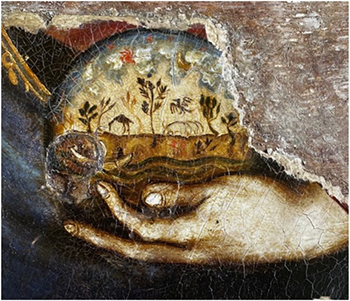
A medieval depiction of God holding all of Creation
in His Hand
- Few things illustrate this better than the life of St. Francis, whose ecstasies and contemplations were of so high a perfection. After descending from Mount Alvernia where “he had just made almost immediate contact with the first Type of all things,” it became possible for him to see the “deepest sense of beings in their symbolical significance.” He found meaning in everything, even the stones beneath his feet. (Etienne Gilson, The Philosophy of St. Bonaventure, Sheed and Ward, 1940, pp.70-71)
- See Zachary Hayes, On the Reduction of the Arts to Theology, Franciscan Institute Publications, 1996, p. 29, footnote 2
- Ibid., p. 24


Posted May 13, 2026
______________________
______________________
 Volume I |
 Volume II |
 Volume III |
 Volume IV |
 Volume V |
 Volume VI |
 Volume VII |
 Volume VIII |
 Volume IX |
 Volume X |
 Volume XI |
 Special Edition |